Deflashing bakelite (thermoset) parts: the BCA method
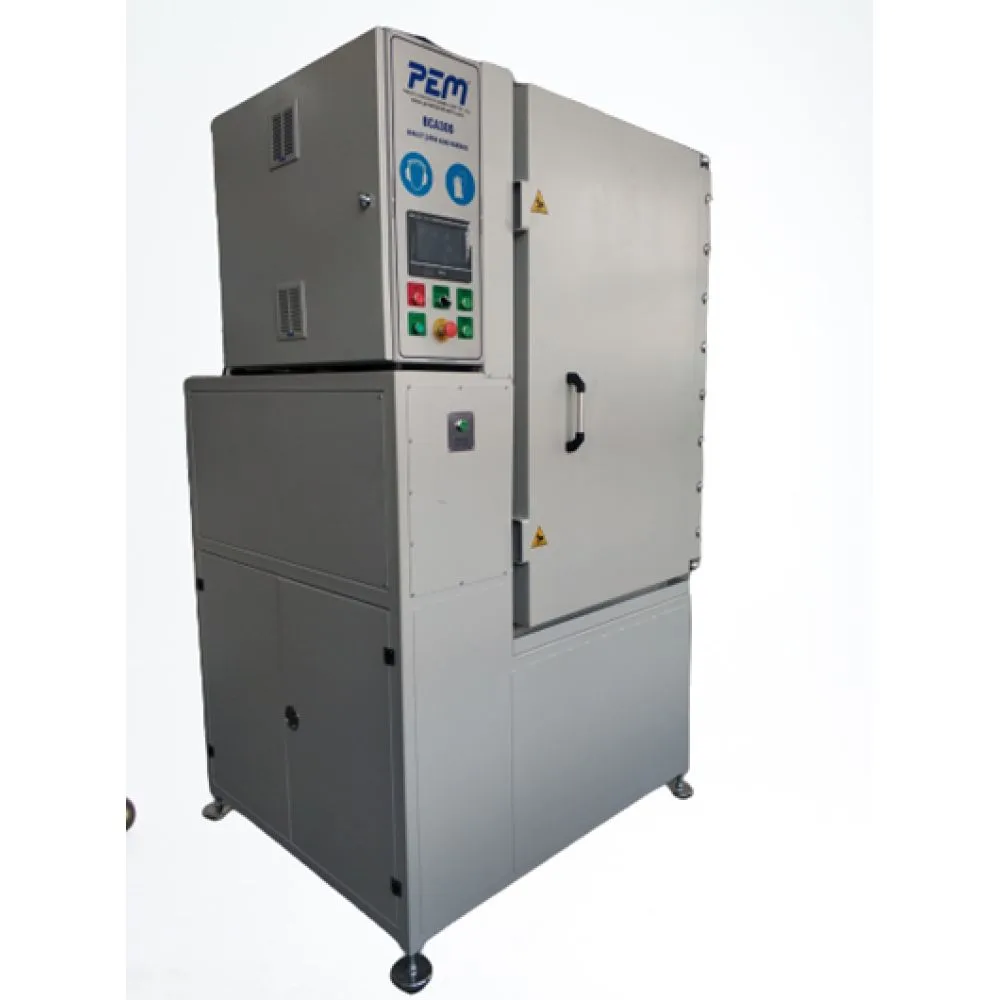
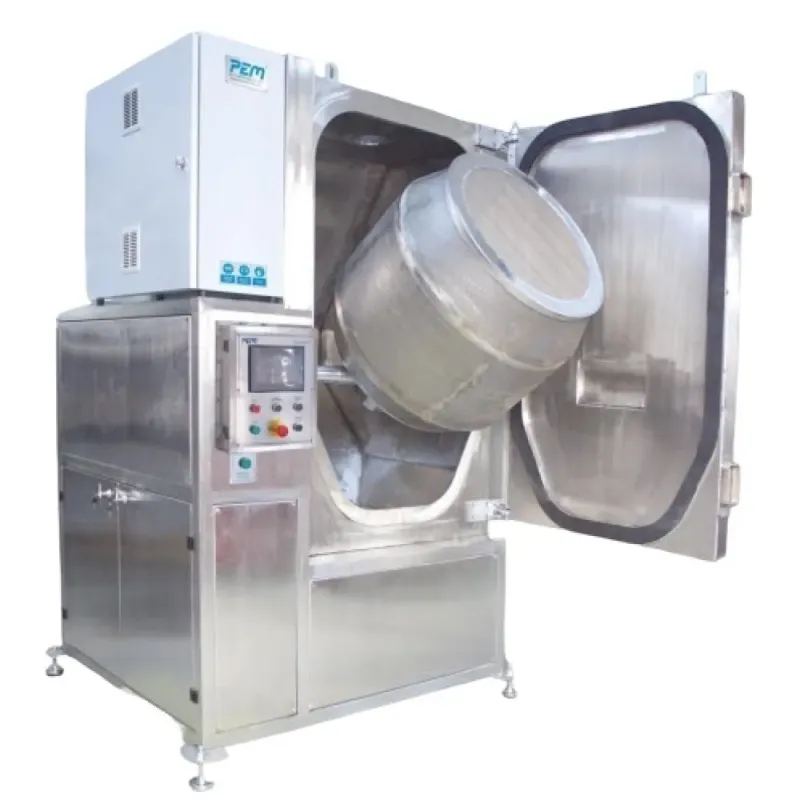
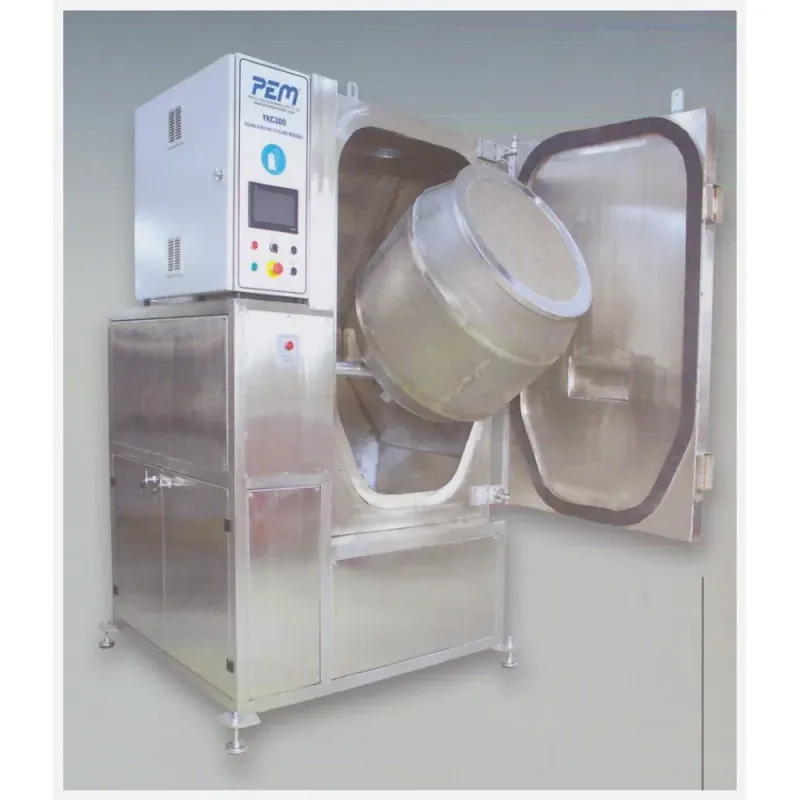
Bakelite and other thermoset parts are brittle, so knife deflashing chips their edges. The BCA method uses a drum inclined at 30° and turbine media bombardment to reduce flash to fine powder in an 8 to 10 minute cycle.
Bakelite, the first synthetic plastic, is produced by mixing phenol-formaldehyde resin with fillers and moulding it under heat and pressure. Today the name is also used loosely for thermoset plastics in general, including phenolic, urea and melamine resins. What these materials share is that once cured in the mould they cannot be melted again, and that they are highly resistant to heat, electricity and chemicals yet brittle. That brittleness turns deflashing into a very different problem from the one faced with rubber.
The flash problem on thermoset parts
In compression moulding, the material fills the cavity and then overflows at the parting line, curing into a thin flash. Unlike rubber flash, thermoset flash is already hard and brittle; but so is the part itself. Attacking it with a knife or abrasive causes chips and cracks along the edges of the part. Hand deflashing is slow and the scrap rate is high. Thermoset parts therefore need a method that breaks the flash into powder without stressing the part.
The BCA method: inclined drum and turbine
The BCA bakelite deflashing machine from Prestij Endüstri works without any cooling, because thermoset flash is brittle at room temperature already. The process runs as follows:
- Parts are loaded into a perforated drum inclined at roughly 30°. The inclination keeps the parts rolling continuously so that every surface turns towards the turbine in sequence.
- While the drum rotates, a high-speed turbine throws plastic media onto the parts.
- When the media strike the thin flash they break it off; because the flash is far thinner than the body, the part surface is unaffected.
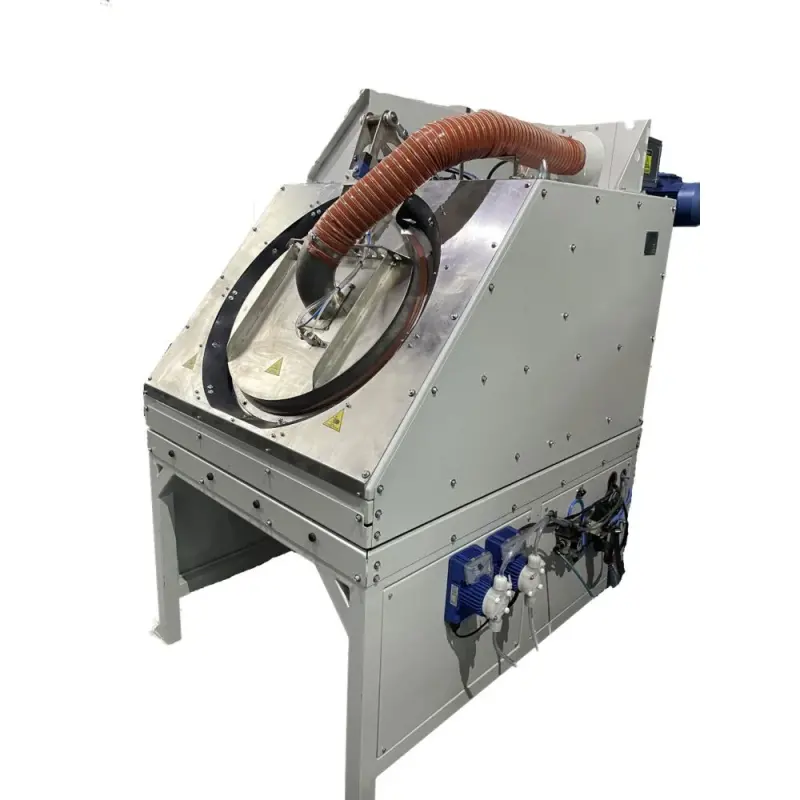
- The broken flash becomes a fine powder and passes through the drum perforations into the extraction system.
- At the end of the cycle, parts and media are separated over a screen and the media are reused.
Why a 30° inclination?
The drum angle determines the path the parts travel. At too shallow an angle the parts pile up at the bottom of the drum and only their upper surfaces face the turbine. At too steep an angle they slide towards the mouth of the drum and move uncontrollably. An inclination of around 30° lets the parts roll slowly and present every surface to the media stream while preserving the gentle motion that brittle parts require.
Cycle time
A typical cycle takes 8 to 10 minutes. The time is adjusted in the recipe according to flash thickness, part geometry and the fill ratio of the drum. Because an overlong cycle can cause unwanted wear on the edges of the part, the duration is established with trial batches and stored on the control panel.
Flash comes off as powder
Whereas rubber flash comes away in small fragments, thermoset flash is reduced to fine powder by the turbine bombardment. To stop this powder spreading into the workplace, it is drawn off from beneath the drum and captured in a filter. The extraction system is an integral part of the machine, both for the health of the operators and to keep the media free of dust.
Choosing the media
The hardness and size of the media decide which flash can be broken and how the part surface will be affected. Larger media deliver the energy needed for thick flash, while small media are preferred for thin-edged, delicate parts. Media wear down and shrink over time; screening and topping them up at regular intervals is necessary to keep results consistent.
Which industries use it?
- Electrical accessories: Socket and switch bodies, fuse covers, terminal blocks and insulators. The electrical insulation and heat resistance of thermosets are indispensable here, and a flash-free edge is essential for both assembly and appearance.
- Kitchenware: Pot and pan handles, lid knobs and dials. Flash is unacceptable on the hand-contact surfaces of heat-resistant handles.
- Automotive: Heat-resistant parts in brake systems and the engine bay, transmission and steering components, electrical connector bodies.
- Appliances and lighting: Oven knobs, lamp holders, covers and grips exposed to heat.
Comparison with mechanical methods
| Criterion | Hand / knife deflashing | BCA method |
|---|---|---|
| Risk of breaking the part | High | Low |
| Consistency of result | Depends on the operator | Recipe-driven, repeatable |
| Labour | Per part | Per batch |
| Dust control | Difficult | Enclosed, with extraction |
| Internal channels and recesses | Unreachable | Reached by the media stream |
Conclusion
Deflashing thermoset parts means reducing thin flash to powder without stressing a brittle material. When an inclined drum, turbine media bombardment and extracted dust collection come together, a batch of parts is flash-free in a cycle of 8 to 10 minutes. Prestij Endüstri adapted the BCA machine for thermoset manufacturers from its CDM experience in the rubber industry, and as a local manufacturer it provides both spare parts and recipe support.